
2026-08-19 · Javier Torres
How To Check For Hidden Moisture After Spring Storms In San Antonio
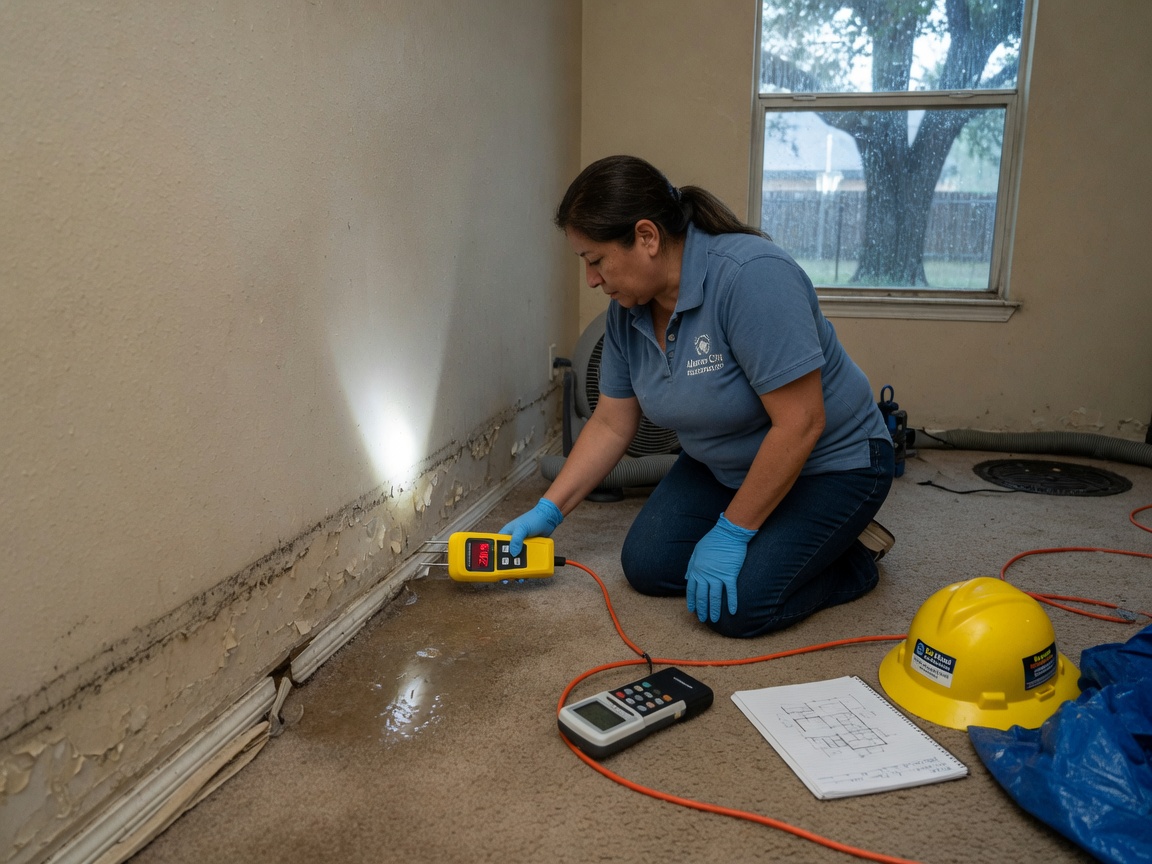
After spring storms drop several inches of rain across Bexar County in a single afternoon, hidden moisture typically appears first in attics above insulation, behind baseboards in homes built before 1970, and beneath slab edges in neighborhoods like Alamo Heights and King William. Begin by walking every room with a bright flashlight and checking ceilings for new discoloration or sagging drywall, then move to exterior walls facing prevailing winds from the south.
Start with a Thorough Visual Check
Walk through attics in Southtown and Downtown properties where many 1920s–1950s homes have vented roof decks that trap moisture against rafters after heavy rain. Look for dark streaks on plywood sheathing, softened insulation batts, or water stains on HVAC ducts. In King William historic homes, examine plaster walls near window sills and door frames where lime-based materials absorb and hold water longer than modern drywall. Outside, inspect grading around the foundation; soil that remains soft or shows new erosion channels near the Alamo Heights or River Walk areas indicates water is still moving toward the slab. Note any musty odors near baseboards, as these often signal moisture trapped behind quarter-round trim. Document every spot with photos and dates so you can track whether conditions improve after several days of dry weather.
Use a Moisture Meter on Suspect Surfaces
A pin-type or pinless moisture meter gives concrete readings on wood framing, drywall, and concrete slabs common throughout Bexar County. Take readings at multiple heights on interior walls, especially in Southtown bungalows where original shiplap can hide moisture behind newer drywall overlays. Compare readings from a known dry area such as an interior closet against any wall that felt cool to the touch; differences of 5 percent or more usually mean residual water remains. On slab foundations prevalent in Alamo Heights and near the San Antonio Zoo, run the meter along the perimeter where carpet meets tile or hardwood; elevated readings often appear within 12–18 inches of exterior walls after spring downpours. Keep records of every measurement and retest the same spots after 48 hours of indoor fans and dehumidification to see if numbers drop.
Examine Slab Foundations and Surrounding Soil
Many San Antonio homes sit on monolithic slabs that can hold moisture for weeks after storms because the surrounding clay soils expand and contract with each wetting cycle. Check the exterior grade so it slopes away from the house at least six inches over the first ten feet; flat yards in older King William blocks frequently allow water to pool against the stem wall. Inside, lift a corner of vinyl or laminate flooring in laundry rooms and bathrooms to feel the slab surface; persistent coolness or visible efflorescence indicates trapped water. For properties near the Medina River corridor, review the related guide on drying slab foundations after heavy rains for additional steps specific to local soil conditions. If readings stay elevated after three days of ventilation, schedule Emergency Water Extraction to prevent long-term issues.
Monitor for Mold and Seek Professional Help if Needed
Hidden moisture that remains above 15 percent for more than a week often leads to mold growth on paper-faced drywall and in HVAC systems. Watch for new dark spots on ceilings or musty smells that intensify when the air conditioner runs, especially in mild-winter homes where spring rains arrive before summer heat can dry structures naturally. In Alamo Heights and Terrell Hills neighborhoods, older plaster and lathe construction can hide colonies behind thick walls, so any persistent odor warrants further investigation. When meter readings do not decline or visible staining spreads, contact a local team for Water Damage Restoration and Mold Remediation. White Water Restoration LLC operates 24 hours from 454 Haymarket in San Antonio and serves Bexar County neighborhoods directly after storms, providing on-site assessments without requiring prior appointments.